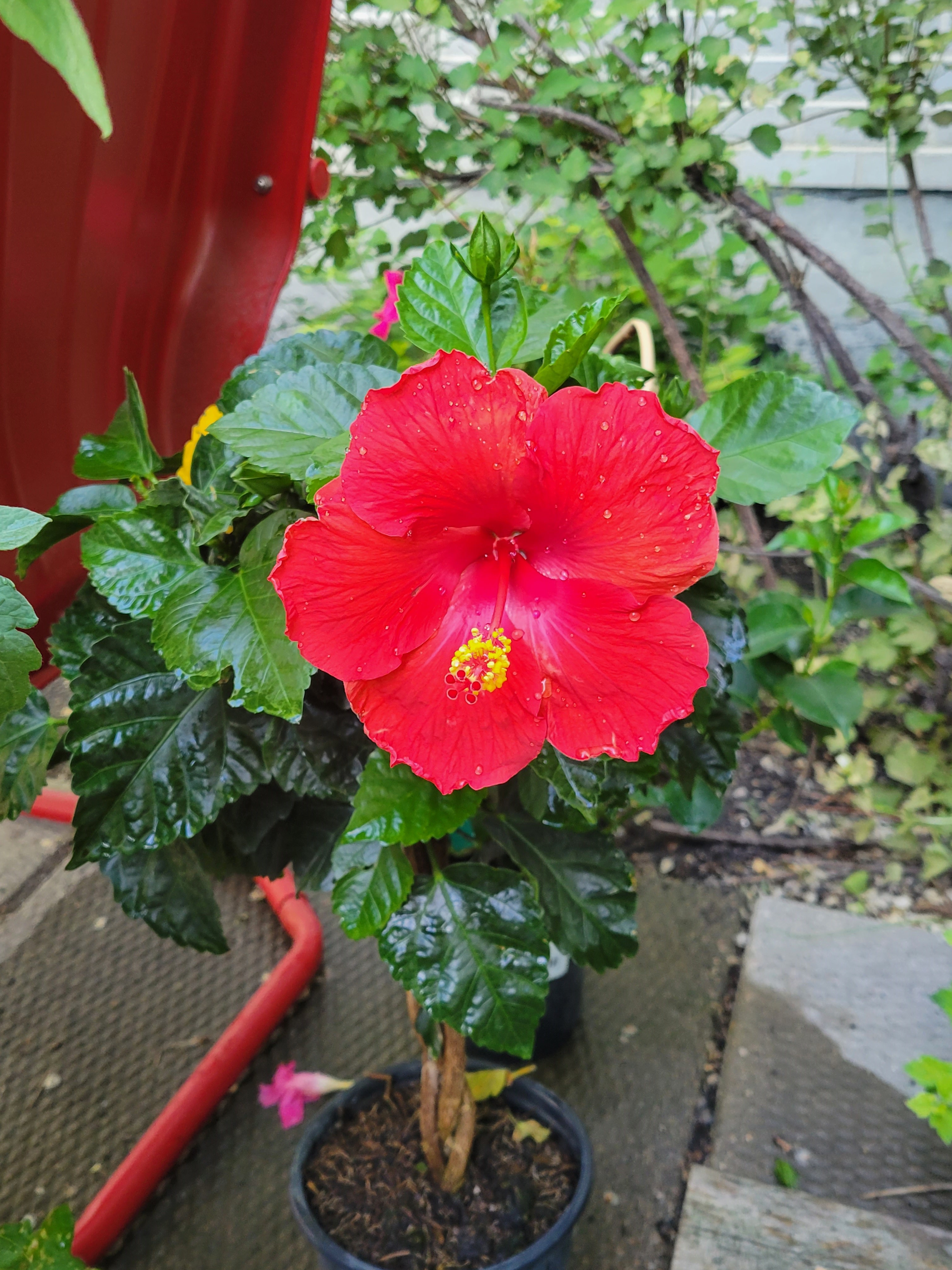
HERE TODAY…..
![DSC_2433[1]](https://sharronwildarksey.com/wp-content/uploads/2017/05/dsc_24331.jpg?w=4928&h=3264)
![DSC_2431[1]](https://sharronwildarksey.com/wp-content/uploads/2017/05/dsc_24311.jpg?w=4928&h=3264)
… AND GONE TOMORROW
Best to enjoy them while you can.
WHAT I’VE BEEN READING:
“White Settler Reserve: New Iceland and the Colonization of the Canadian West” by Ryan Eyford, UBC Press, 2016
My son says he saw this book on the shelves at the University of Manitoba bookstore. It would, I think, make a valuable addition to their Icelandic studies collection or to any prairie history collection for that matter.
Ryan Eyford is an associate professor in the department of history at the University of Winnipeg. He was raised in the Vogar, MB area along the east shores of Lake Manitoba.
“White Settler Reserve: New Iceland and the Colonization of the Canadian West” takes a look at the settlement of Icelandic settlers along the west shore of Lake Winnipeg in the late 1800s.
This is an academic rather than an entertaining book, with notes, bibliography and an index taking almost 70 of its 259 pages. But it is of interest certainly to readers (like me) whose great-grandparents came to Canada from Iceland, and it also serves as an interesting look at the way white settler reserves were handled and how they compared to indigenous reserves.
Canada was looking for settlers who could be molded into good British citizens. In the racial hierarchy of the time, English-speaking British citizens were at the top, followed by the immigrant aliens (quasi citizens) and then the indigenous peoples (non-citizens). The smallpox epidemic of 1876-1877 which impacted both indigenous and Icelandic populations also served to solidify the separations between settlements.
Yet the author argues that it is a mistake to lump all ‘immigrant aliens’ into one group, since there were major differences among the nationalities represented in that group. Likewise, there was significant internal diversity within the indigenous group.
The final paragraph was a high point for me, reinforcing as it does the idea that personal relationships can overcome historical tensions. Eyford writes about John Ramsay, a Metis hunter and fisherman in the area.
“Although the arrival of the Icelanders had brought about almost unimaginable personal loss for him, (John Ramsay) made many close friends among them in the years following the smallpox epidemic. In 1882, when his infant daughter died at Icelander’s River he went to one of those friends Fridjon Fridriksson, to ask that the girl be buried alongside the young son that Fridjon and his wife Gudny had recently lost. Fridjon and Gudny thought this a beautiful idea and the two children were laid to rest together, not far from the banks of the river.”
Quick Takes
“Not My Blood” by Barbara Cleverly, Soho Press Inc., 2012
British author Barbara Cleverly has written twelve books in the Detective Joe Sandilands Mystery series.
Sandilands is a Scotland detective and World War 1 hero. The stories take place in the 1920s and 1930 in colonial India and Great Britain.
“Not My Blood” is the eighth in the series, but the first I have read. A quick and enjoyable read.
“Keeping Bad Company” by Ann Granger, Headline Book Publishing, 1997
“Keeping Bad Company” is the second in a series of five books by British crime writer Ann Granger featuring Fran Varady. I had read the first book in the series and picked this book up at a used book store in Winnipeg.
Fran is a feisty yet vulnerable young woman, who was homeless after the deaths of her father and grandmother. Her financial situation has improved, but not much. A wannabe actress, she somehow finds herself in the middle of sleuth-worthy situations and manages to successfully sleuth her way out of them.
BEAR TALES
Since the bird feeder in our yard disappear several weeks ago, we have suspected that there are bears nearby. We have not seen any ourselves, but we have heard of sightings just across the road. The bird feeder with its suet contents left over from the winter would have been an attraction.
Last week I came home one evening to find that the ceramic bowl used as a dog dish (repurposed from a slow cooker that no longer functioned as it was supposed to) lay broken in a dozen pieces on the ground beside the door step. The dog dish had been sitting on the lowest step which is flush with the ground. It couldn’t have fallen far enough to explain the breakage. My husband reported it had been intact when he had left the yard several hours earlier. The bowl was too heavy for either of the dogs to pick it up.
Add to that the suspicious paw prints in the graveled driveway and you get the picture.
-30-
 Rural Routes, Blog Version
Leave a comment