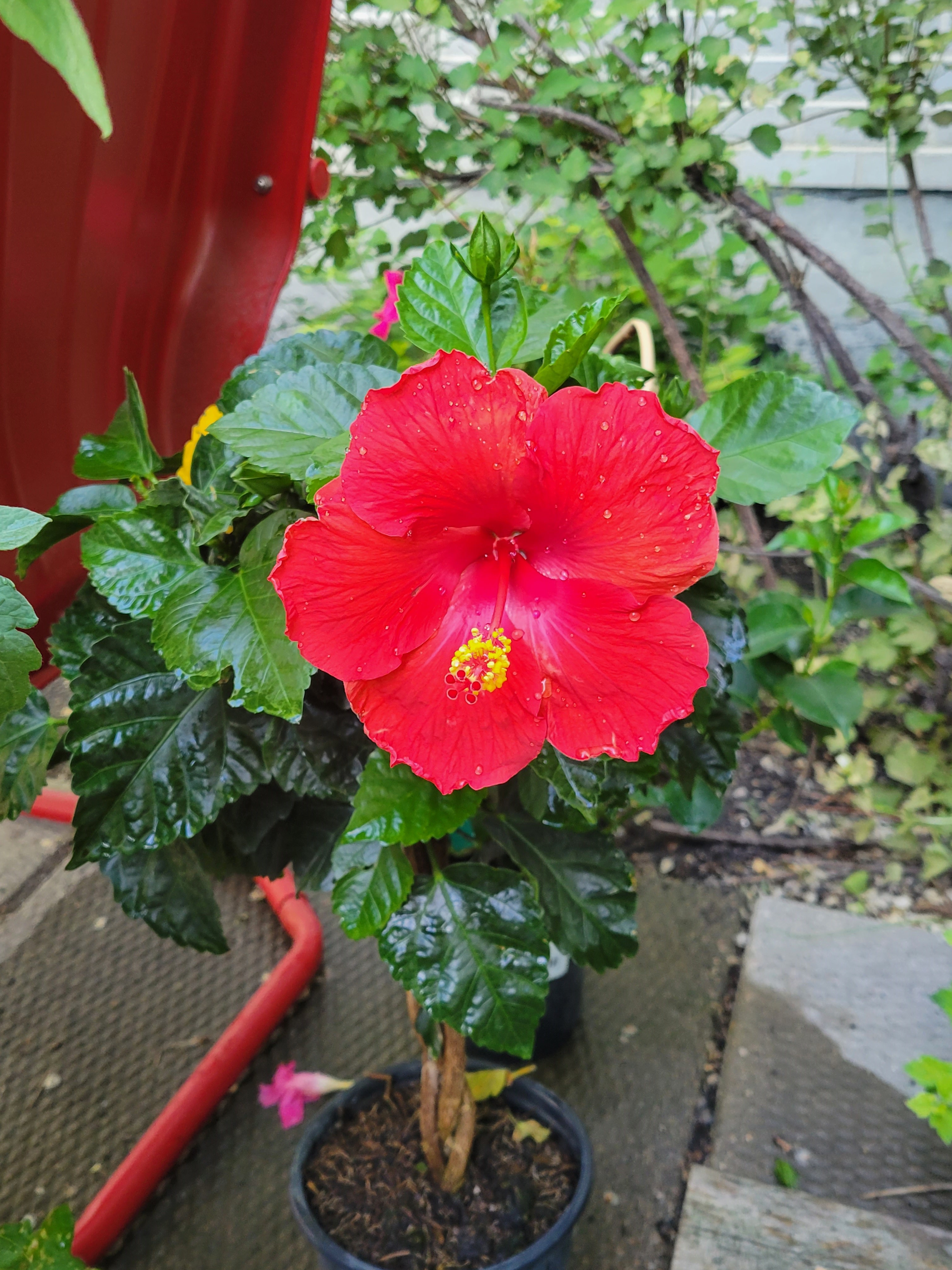

HOW MUCH WOOD…
How much wood would a woodchuck chuck
If a woodchuck could chuck wood?
While walking the dog one afternoon, I spied an animal on land now owned by the University of Manitoba. Because the dog and I were on a sidewalk with a wire fence and greenery between us and the animal, I could not get a clear look at it, except to know that it lacked the tail of either a beaver or a muskrat and was much larger than a squirrel or gopher.
“A woodchuck?” I asked my husband when I told him about it later. I had only once seen a woodchuck or groundhog in real life, and that was many years ago near the dugout west of our house on the farm. Other than that, my only sightings have been in the media every year when February 2 rolled around.
I had another chance to see the animal just two days later in almost exactly the same location. This time, however, the dog and I were on the other side of the fence and I was close enough to get a better view. The animal high-tailed it away from us.
“Definitely a woodchuck,” I told my husband.
I have seen it a third time, the same night we saw two does, four fauns and two rabbits. A good night.
(Inspired by my sighting, I Googled the animal when I got home. I knew that a woodchuck and a groundhog are the same animal. I did not know that the word woodchuck comes from an Algonquin word for the creature. In the course of my research, I also learned that the tongue-twister was originally a song written for a popular musical comedy performed in a New York theatre in the summer of 1903.
And finally, I learned that a state conservation officer back in the late 1980s actually calculated that, based on the amount of dirt displaced by a woodchuck in the digging of its burrow, the animal would theoretically chuck 700 pounds of wood if it could.
Which it cannot.)
TOMATOES
Back in mid-May, I received a gloriously-flowering tomato plant as a birthday gift. The hanging plant was a welcome addition to my (very small) flower garden, as we watched the flowers give way at first to green and then to red cherry tomatoes.
We welcomed, too, the taste of those tomatoes, round and red and tasting of the sun.
But all things come to an end. The tomatoes have all been picked and the plant has exhausted itself with its fruit-bearing efforts.
SASKATOONS
There are saskatoon bushes in the area where I walk the dog every night. Birds have nibbled on many of the ones I have seen.
But one night I met a young woman who was standing on tiptoe to reach berries hanging high overhead. She had filled one small ice cream container and was starting on a second.
“People told me these were poisonous berries, but I KNOW they are saskatoons,” the girl told me. She offered me a taste.
When I asked, she told me she came from the Swan River area.
“Bowsman, actually, but you’ve probably never heard of it,” she said.
“Oh, but I have,” I said. “And I know where it is, too.”
When I told her that I came from Langruth and asked if she knew where it was, she said, “No.”
UFOs
I recently finished reading “When They Appeared – “Falcon Lake 1967: The inside story of a close encounter” by Stan Michalak and Chris Rutkowski.
The book was first published in 2017 to mark the 50th anniversary of a sighting by Michalak’s father Stephen. (I bought the book that same year, but if you’ve seen my stack of books, you will understand why it took two years to get to this one!)
I once interviewed Chris Rutkowski, Manitoba’s UFO guy, when a Langruth area resident reported an unusual visitation in her back yard. That particular sighting was never solved. It was not discredited either.
Neither was the Falcon Lake sighting. Many questions remain after 50 years.
But the book is not so much about when the UFOs appeared, as it is about the reporters, law enforcement and government officials, naysayers and kooks who showed up on the Michalak door step after Stan’s father went public with his encounter.
Nine-year-old Stan was bullied at school as a result. “You’re the kid whose dad saw the UFO ha ha.” He credits one teacher and a couple of neighbourhood kids with shielding him from those who were making his life miserable.
I cannot help thinking how much worse it could be today. Social media and 24-hour news could elevate the furor to entirely new levels.
HECLA
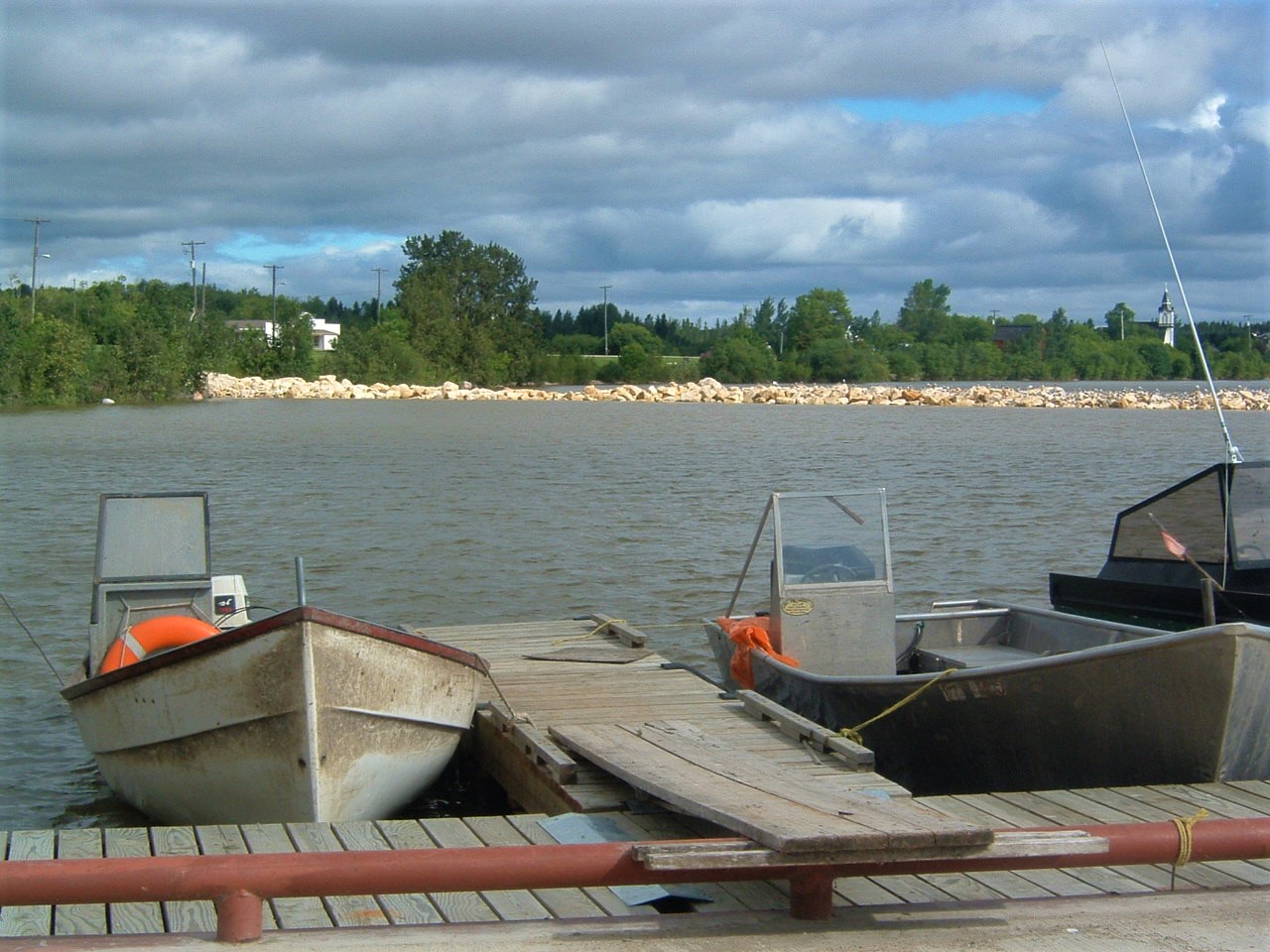
I love Hecla and I welcome any chance to return. So when K suggested that we take a drive there on a Sunday afternoon, I readily agreed.
I first visited Hecla as a teenager when the summer camp I attended near Gimli arranged a day trip there. Many years later, I spent a week-long writing retreat at a bed and breakfast located in the village. I toured the village sites, went for long walks and listened to the big lake washing against the shoreline. I immersed myself in the community’s Icelandic history and , although I did not get as much writing done as I might have liked, the week was time well spent.
I visited the community several times in the ensuing years and one year my sisters and I spent part of our annual retreat there.
I was saddened when our hostess, a woman I had come to like and respect very much, died in 2018. And I was happy to learn now that the bed and breakfast was still in operation, now owned by extended family members.
Driving around the area, we discovered that many residents had small vegetable gardens planted near their driveways. Almost all were surrounded by wood fences or wire intended, I’m guessing, to keep the wildlife at bay.
One resident had tomato plants as high as corn, with no sign of flowers or fruit in the making. My mother-in-law would tut-tut and say the gardener should have done her pruning.
-30-
 Rural Routes, Blog Version
Leave a comment